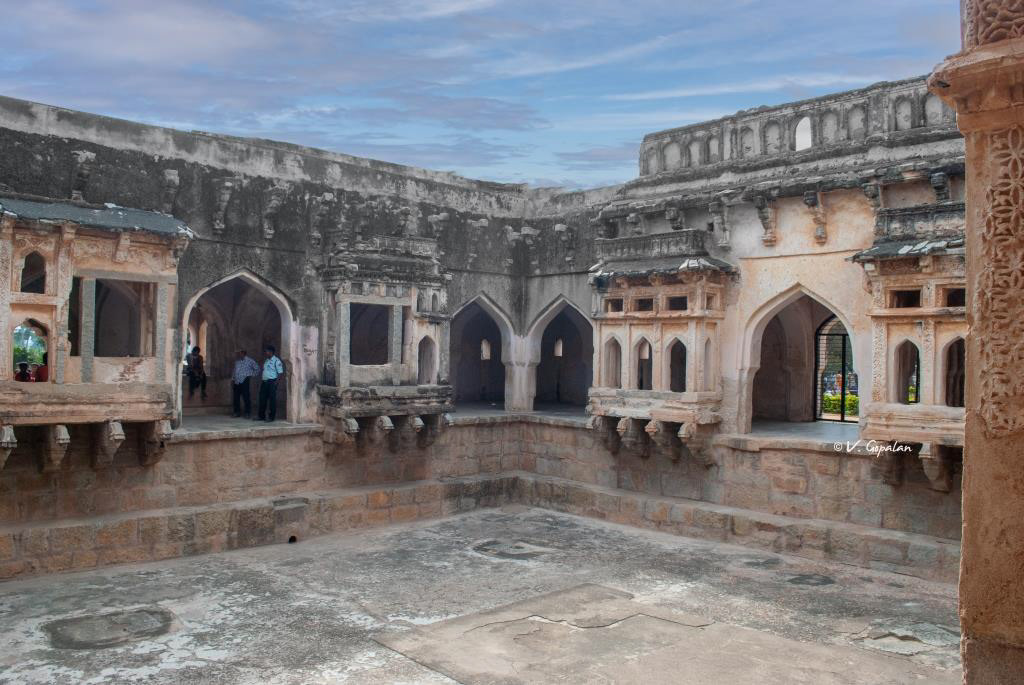
Monuments at Hampi, KA, India
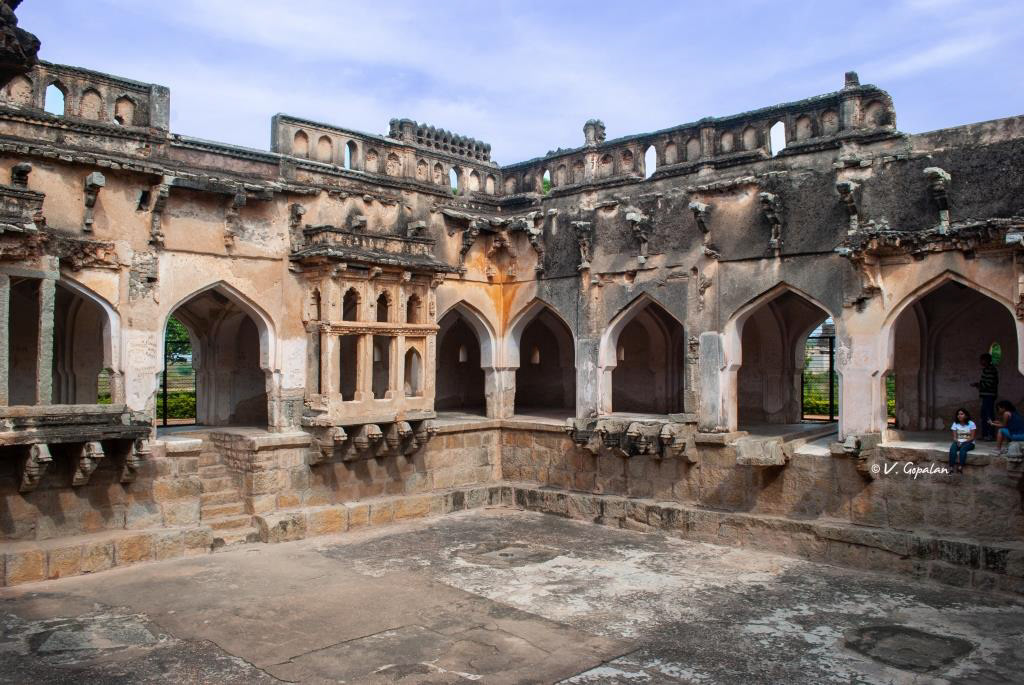
The Group of UNESCO Monuments at Hampi lies in Karnataka and represents the ruins of the once-glorious capital of the Vijayanagara Empire, which flourished between the 14th and 16th centuries. Spread across a vast rocky landscape along the banks of the Tungabhadra River, Hampi is filled with temples, palaces, gateways, markets, and royal pavilions. The Virupaksha Temple and the Vittala Temple complex, famous for its stone chariot and musical pillars, are among the most iconic structures. The site also includes impressive secular buildings such as the Lotus Mahal, Elephant Stables, and Queen’s Bath, reflecting sophisticated planning and engineering. Hampi’s architecture is a striking blend of Dravidian, Indo-Islamic, and local styles, demonstrating the empire’s cultural richness. Massive boulders, hilltop watchtowers, and ancient water systems add to the dramatic setting of the ruins. In 1986, Hampi was declared a UNESCO World Heritage Site for its outstanding universal value. Today, it stands as one of India’s most important archaeological and historical landscapes, attracting scholars, photographers, and travelers from around the world.
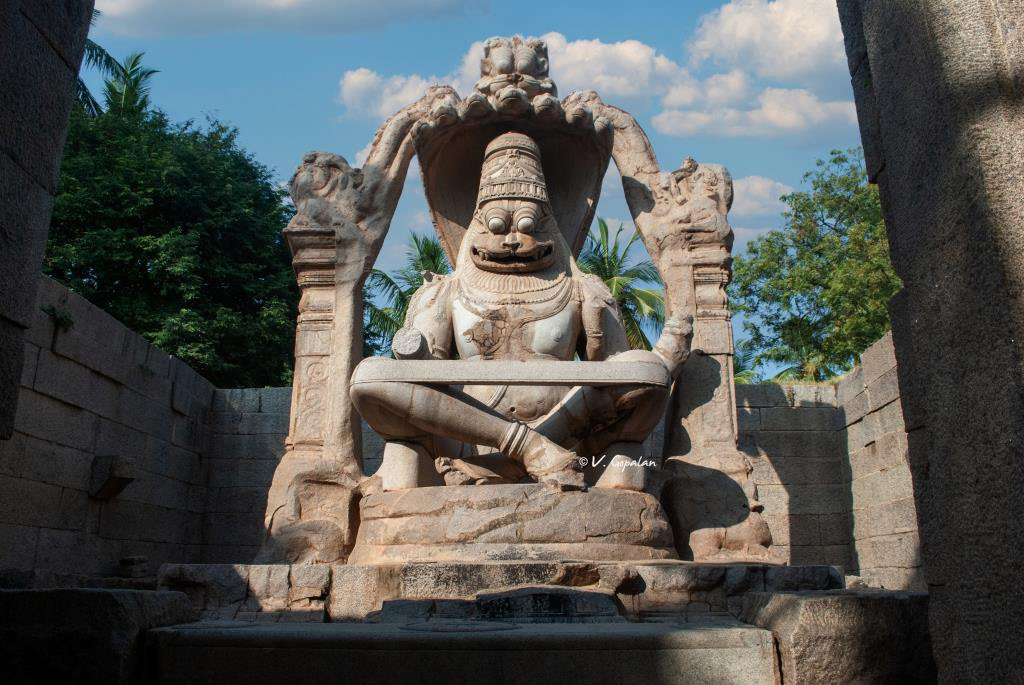
Ugra Narasimha Sculpture
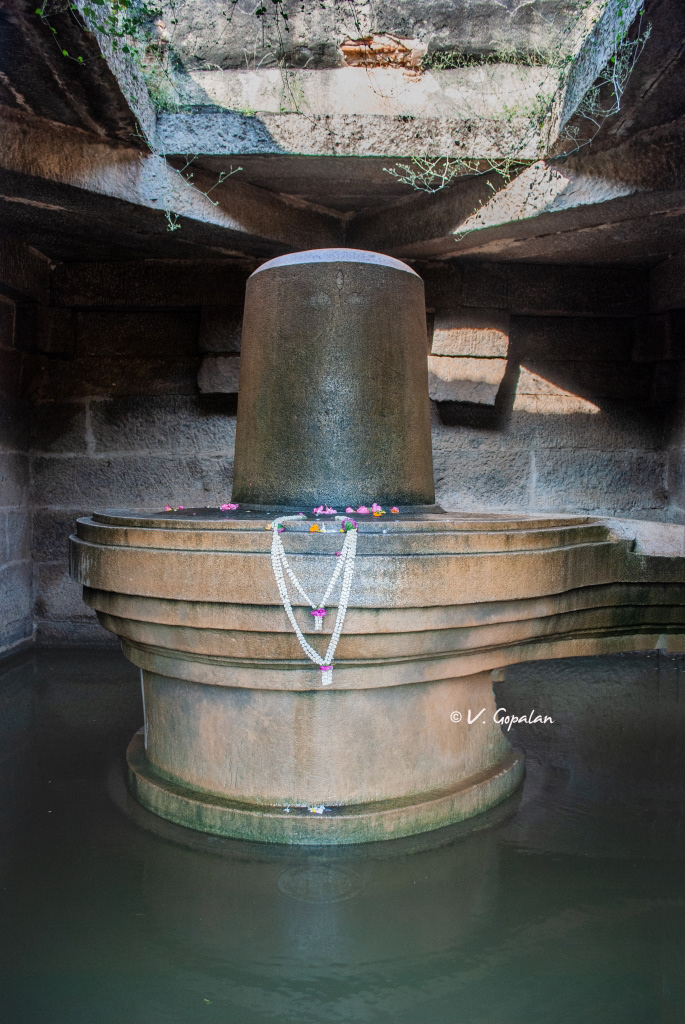
Badavilinga temple
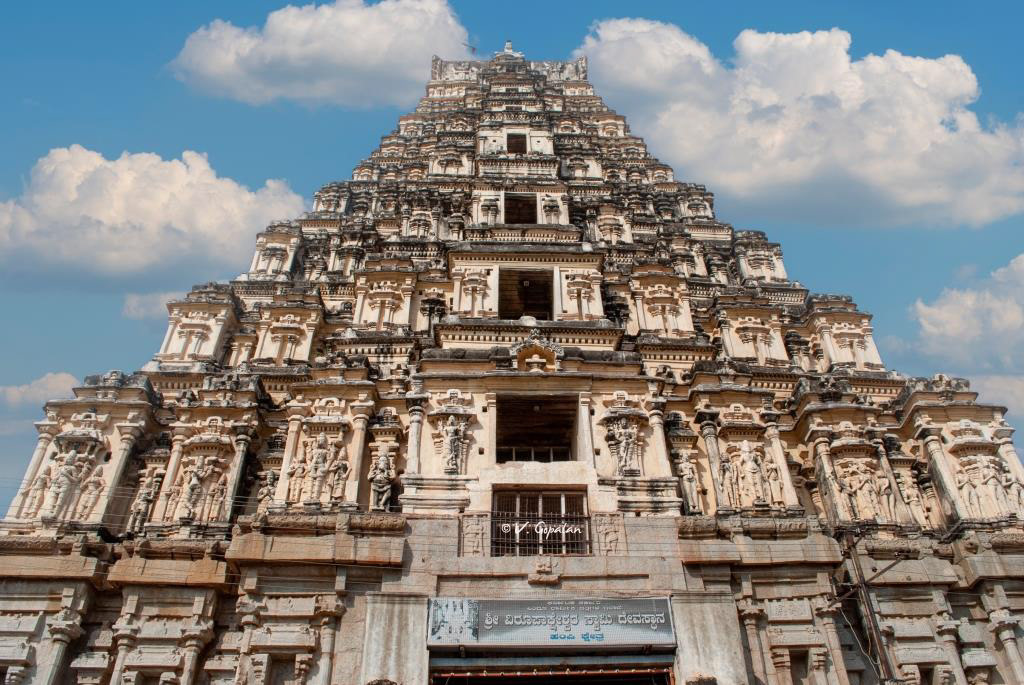
Virupaksha temple
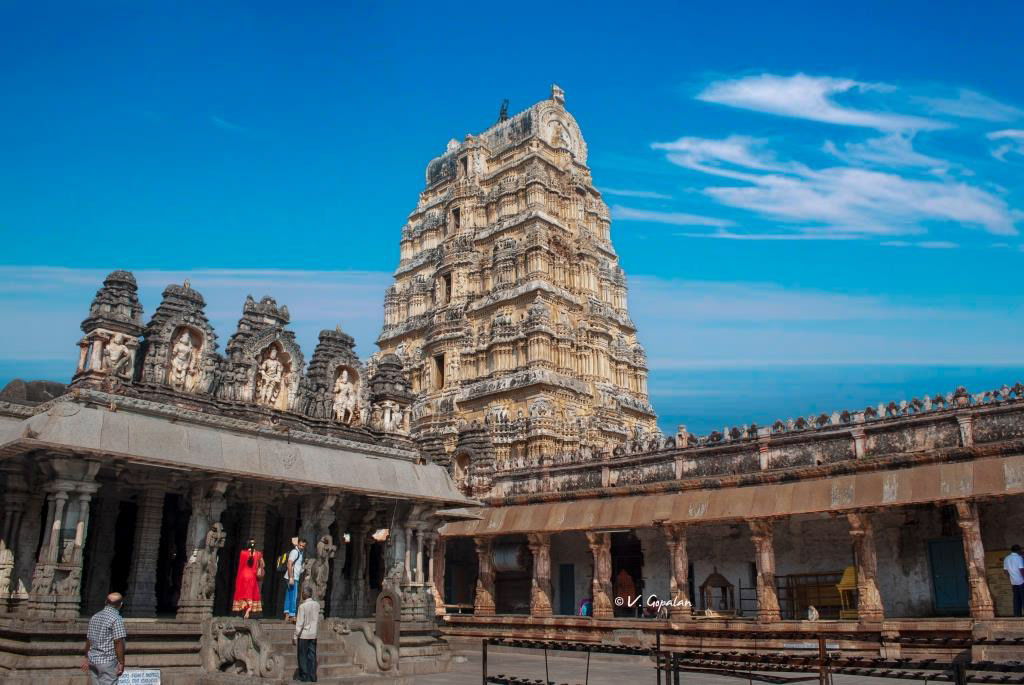
Virupaksha temple
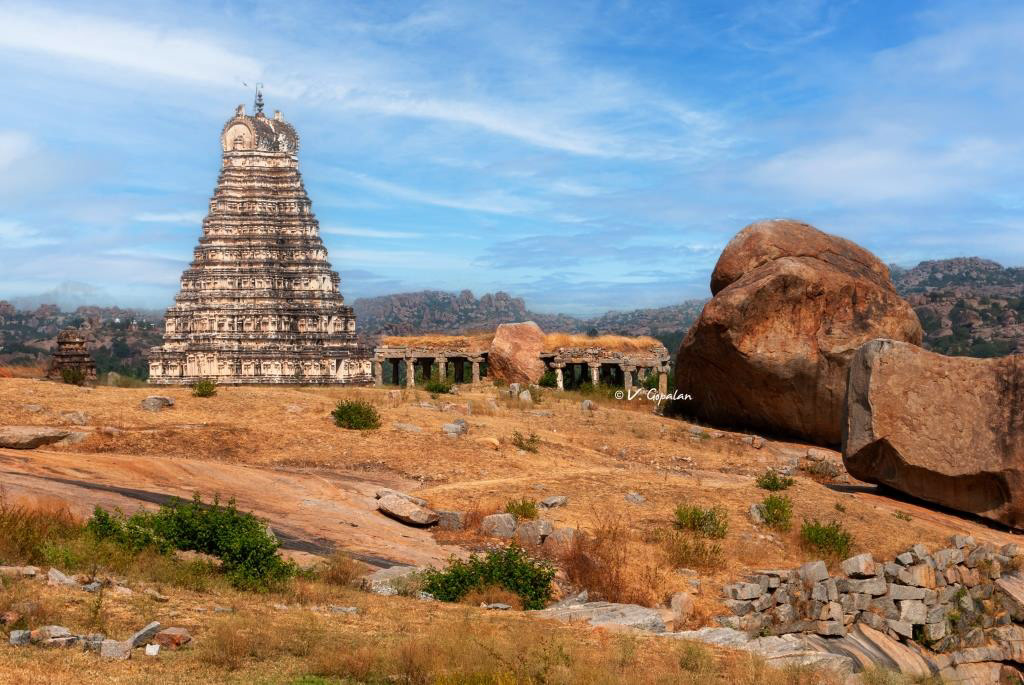
View og Virupaksha temple
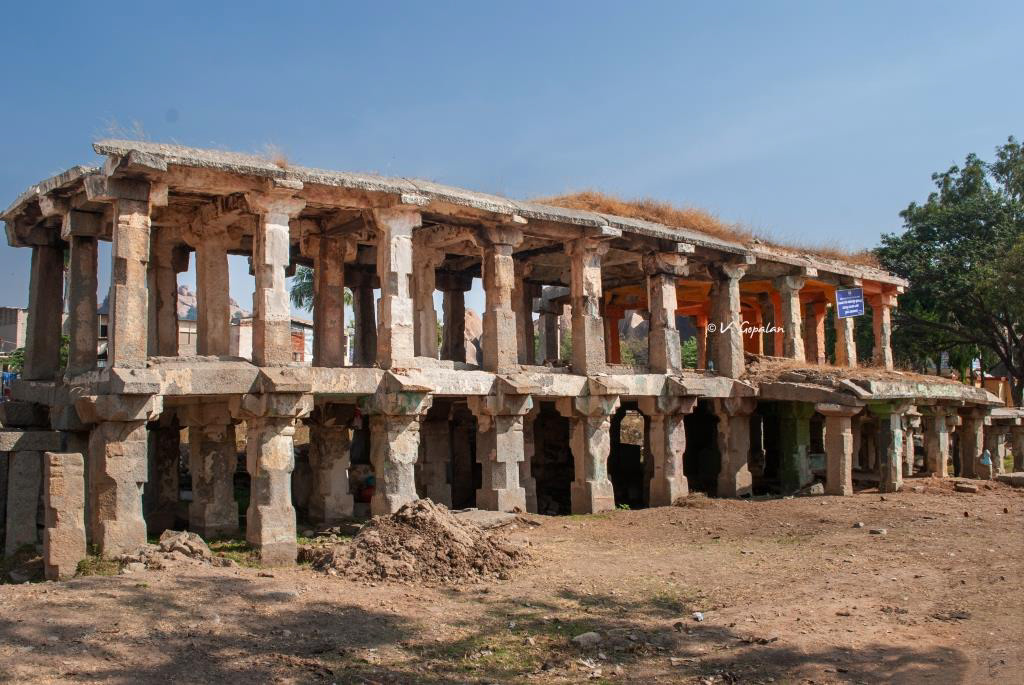
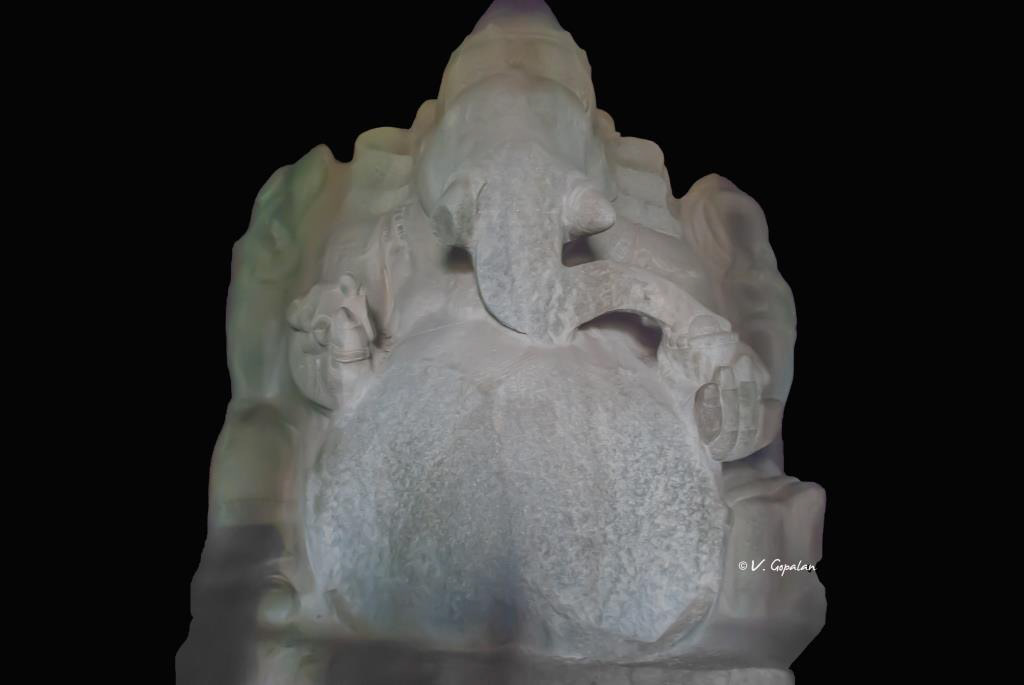
Kadalekalu Ganesha
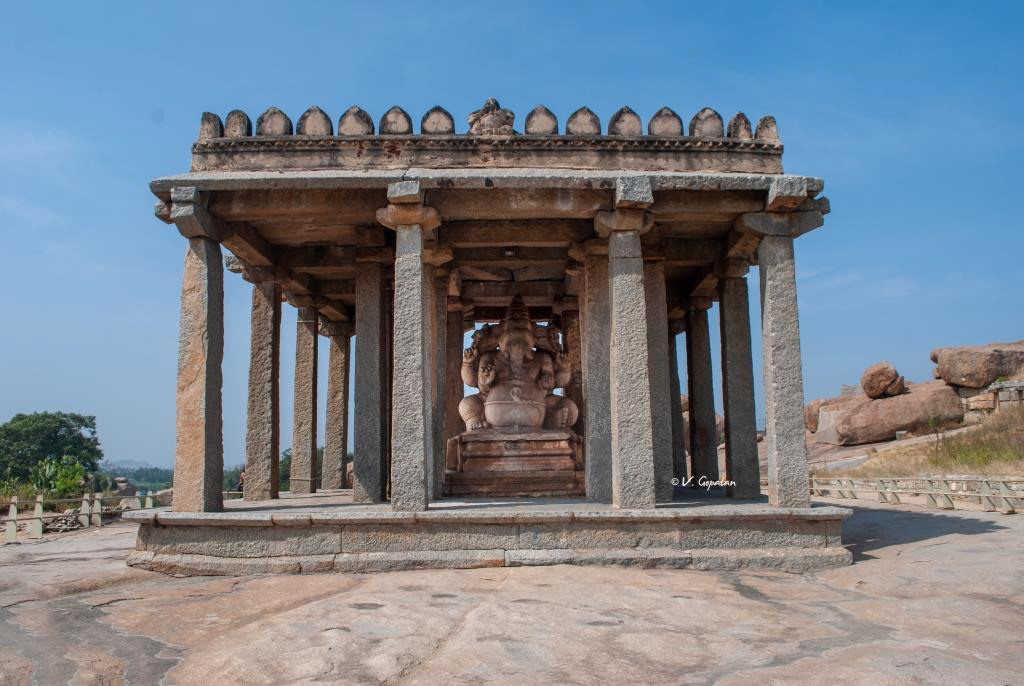
Sasivekalu Ganesha
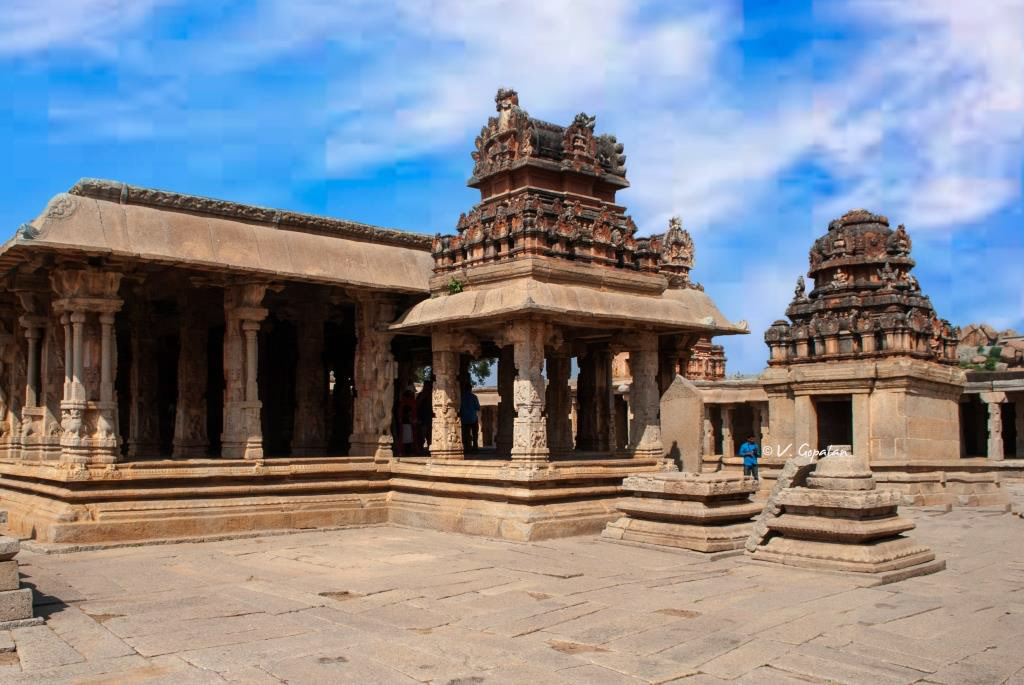
Krishna temple
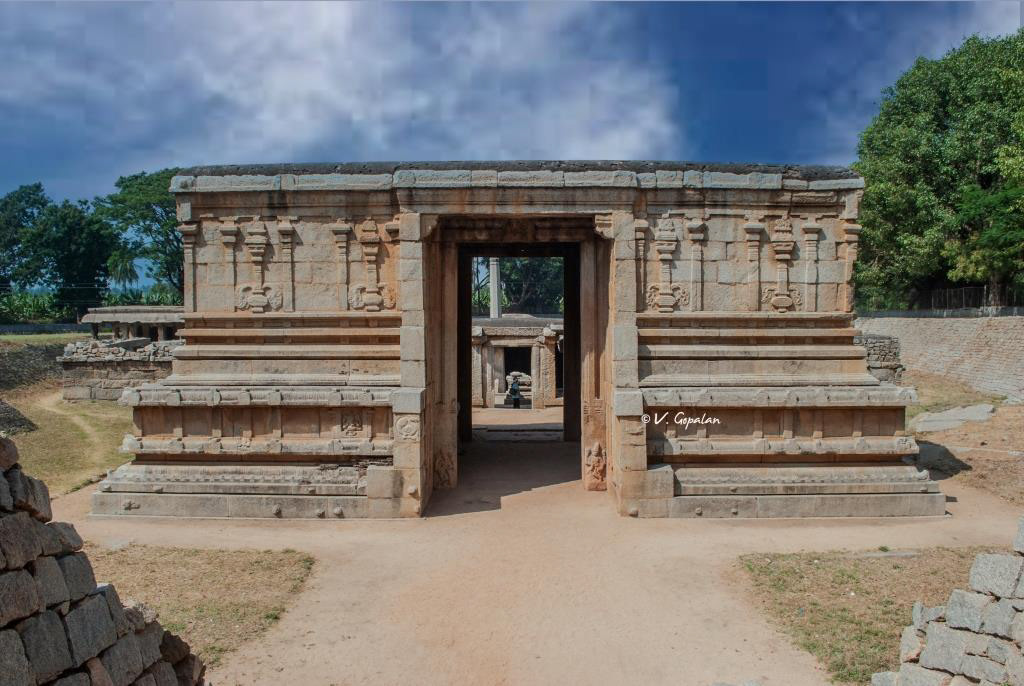
Underground Shiva temple
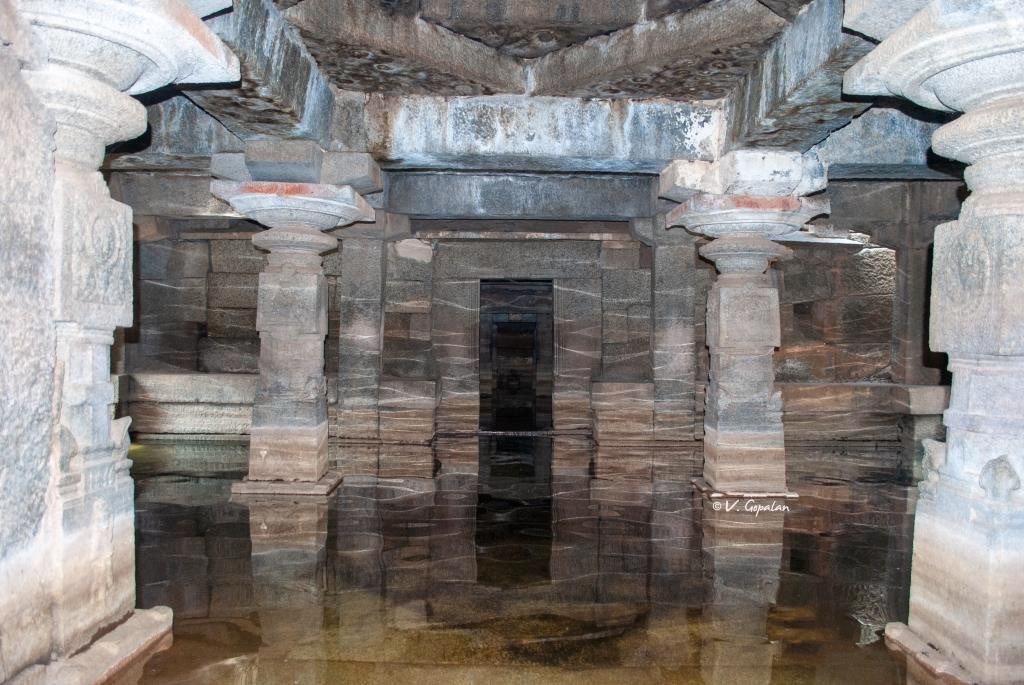
Underground Shiva temple
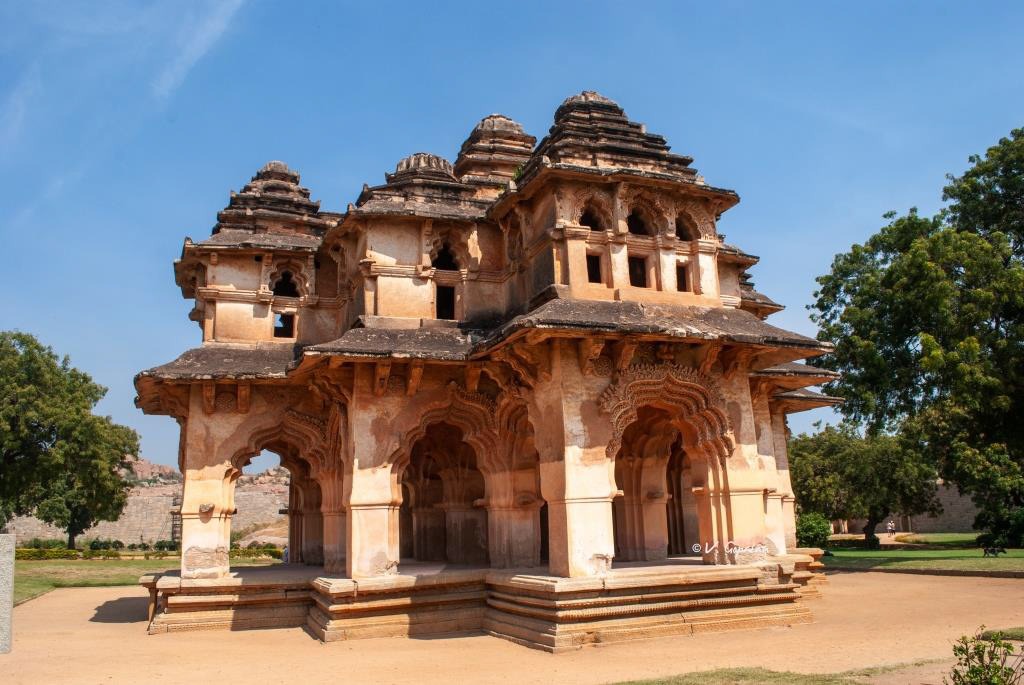
Lotus Mahal
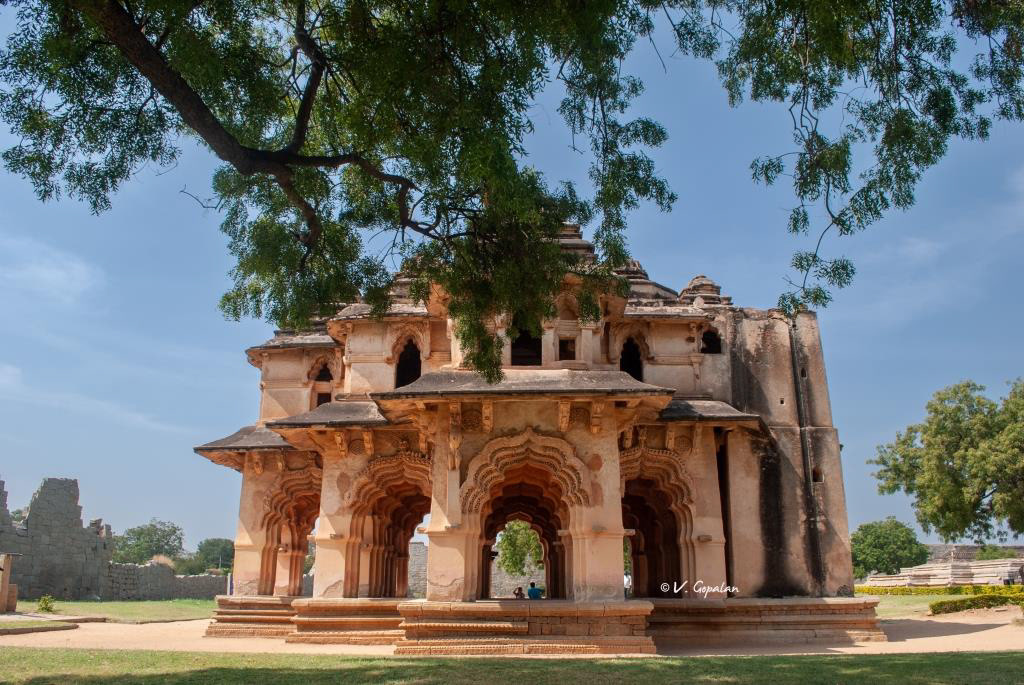
Lotus Mahal
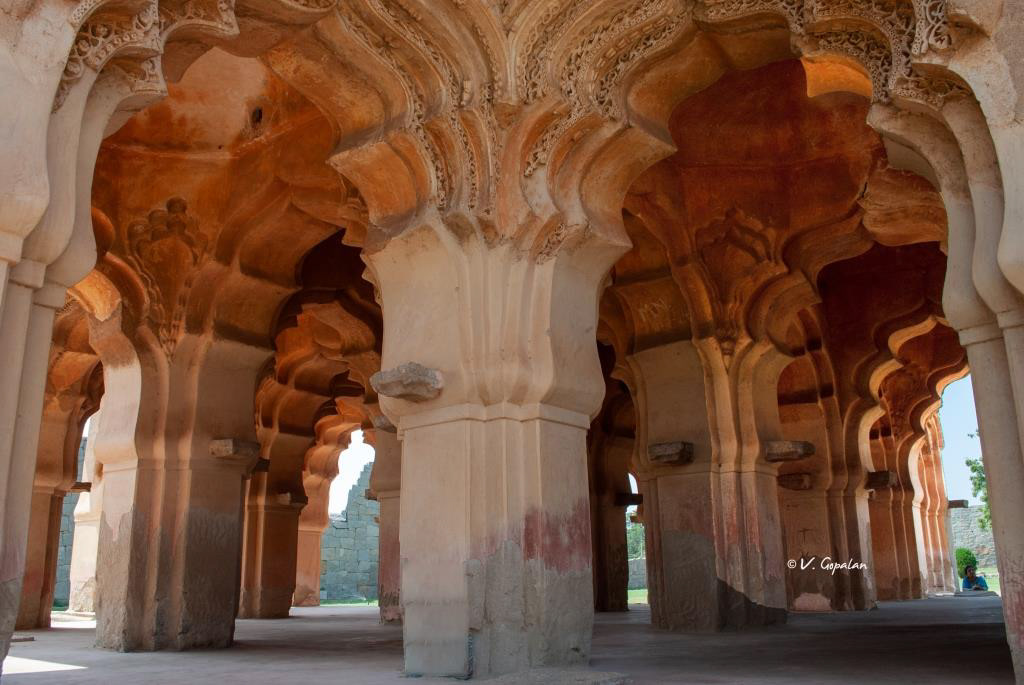
Lotus Mahal
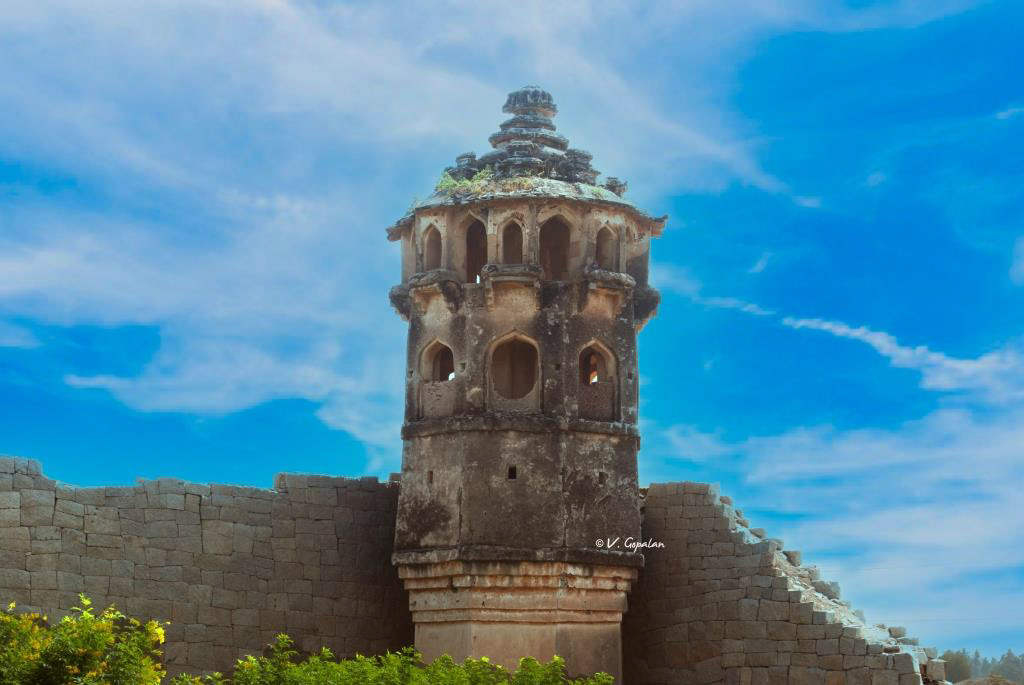
Watch tower
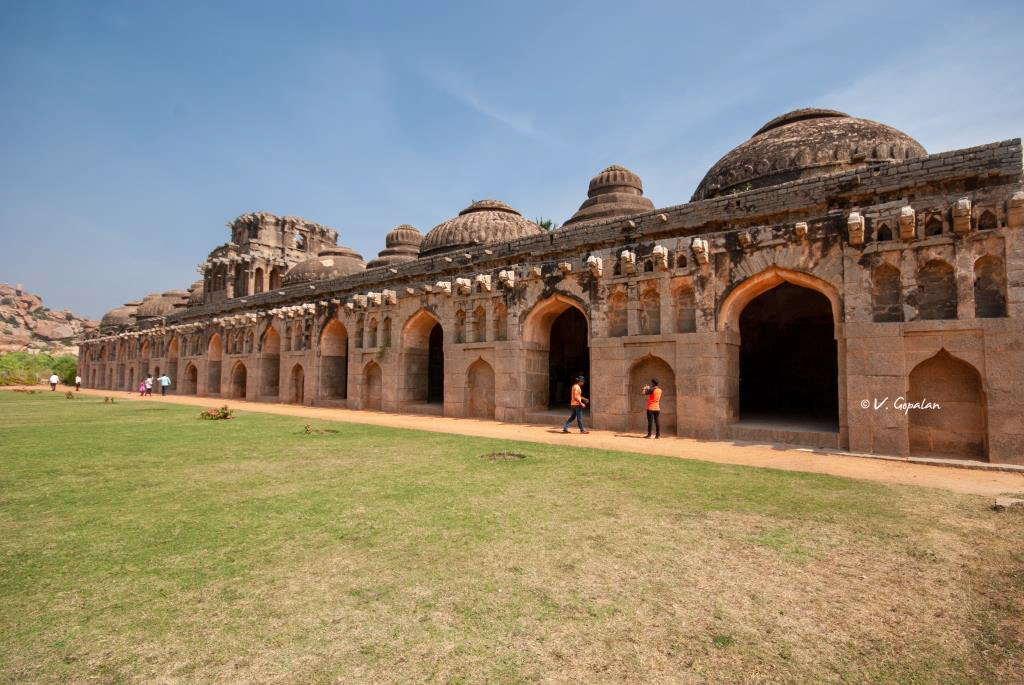
Elephant stable
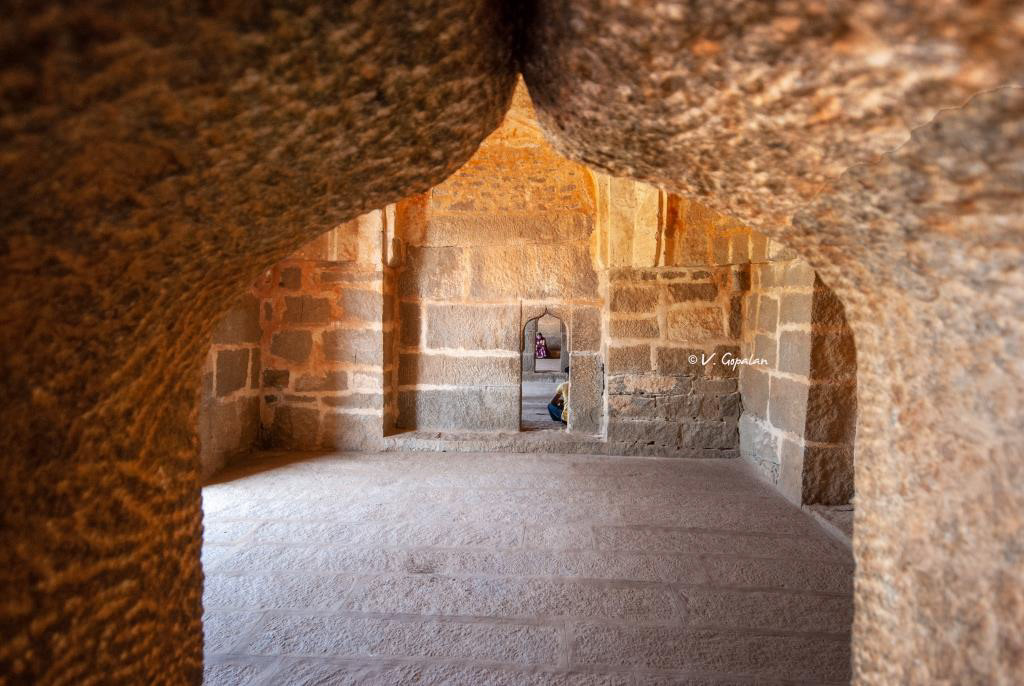
Elephant stable
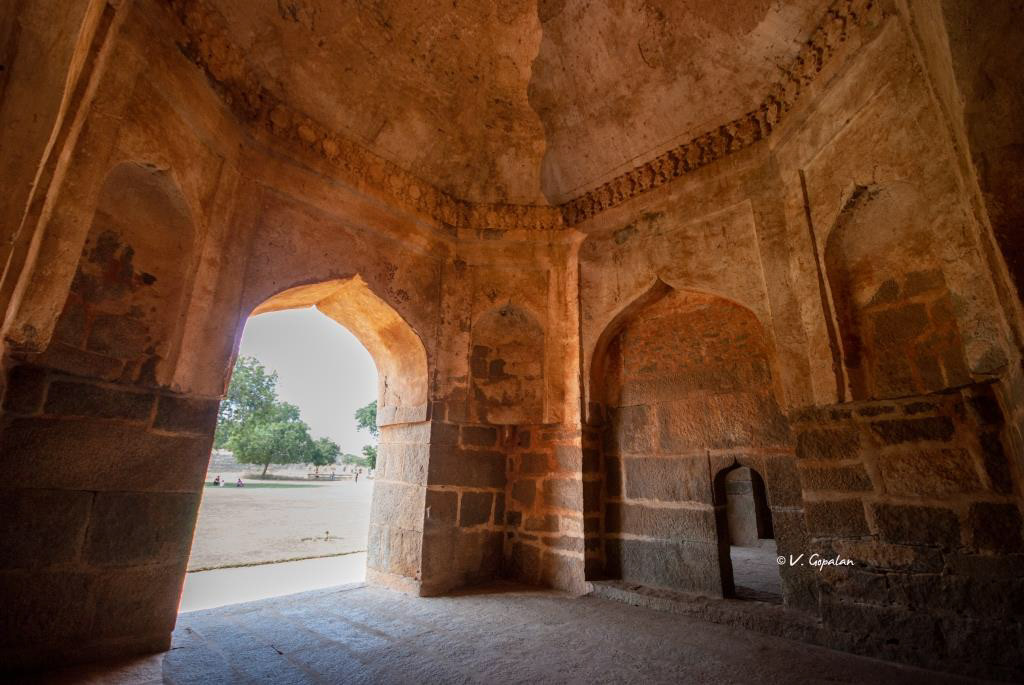
Elephant stable
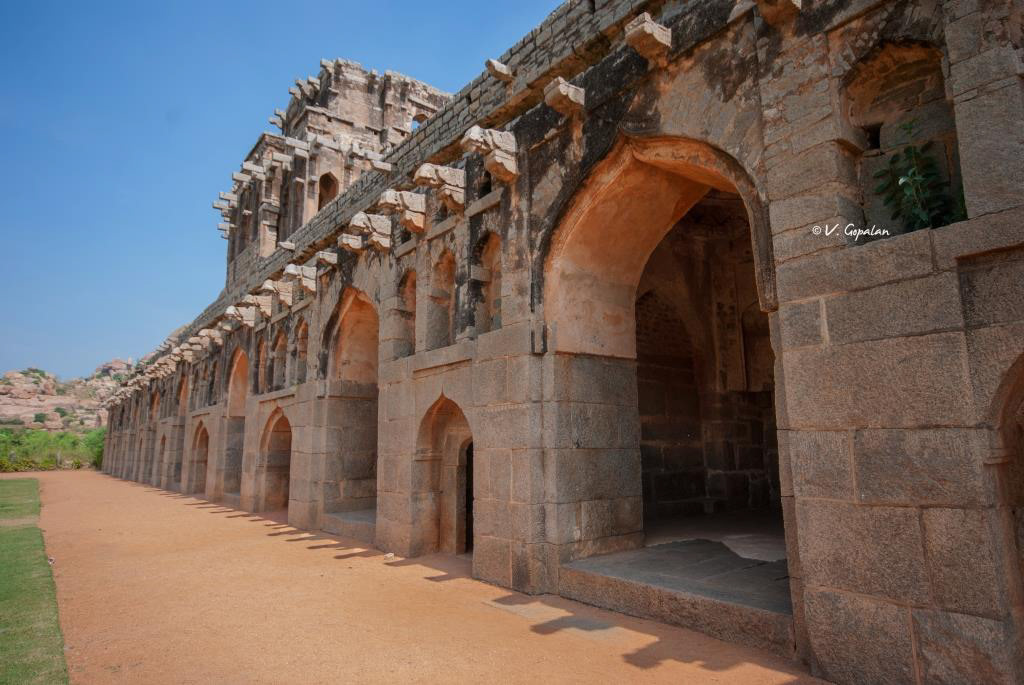
Elephant stable
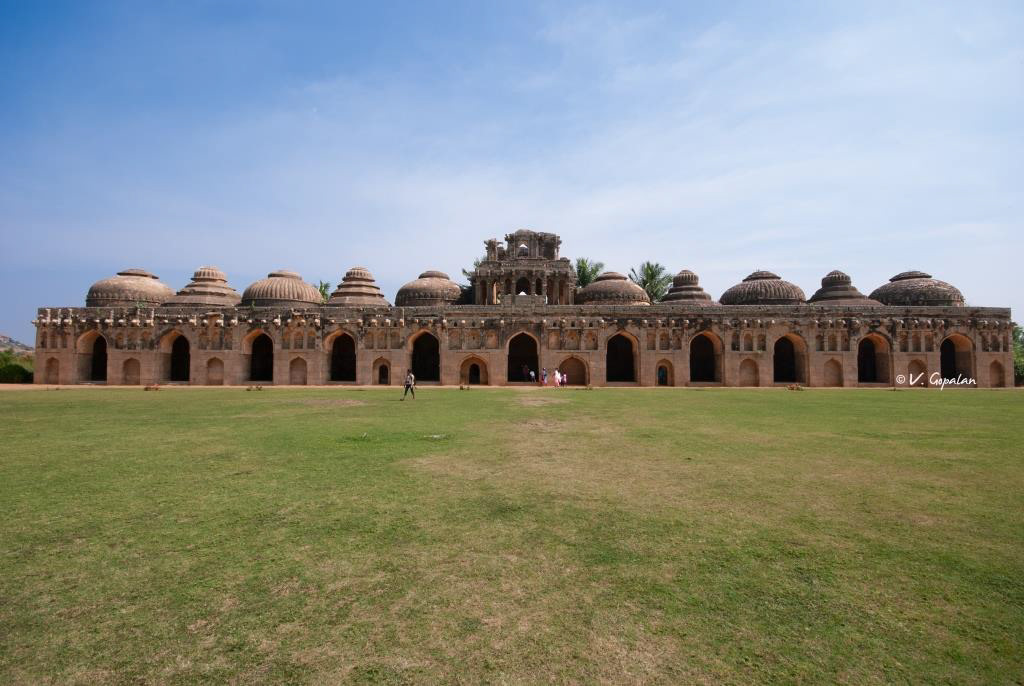
Elephant stable
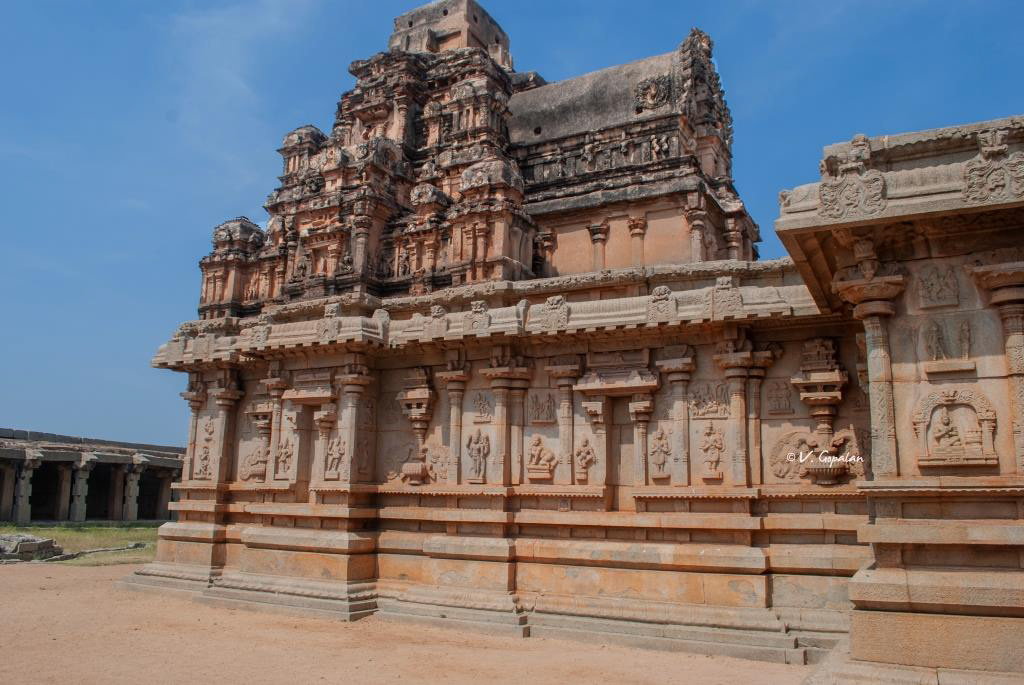
Hazara Rama Temple
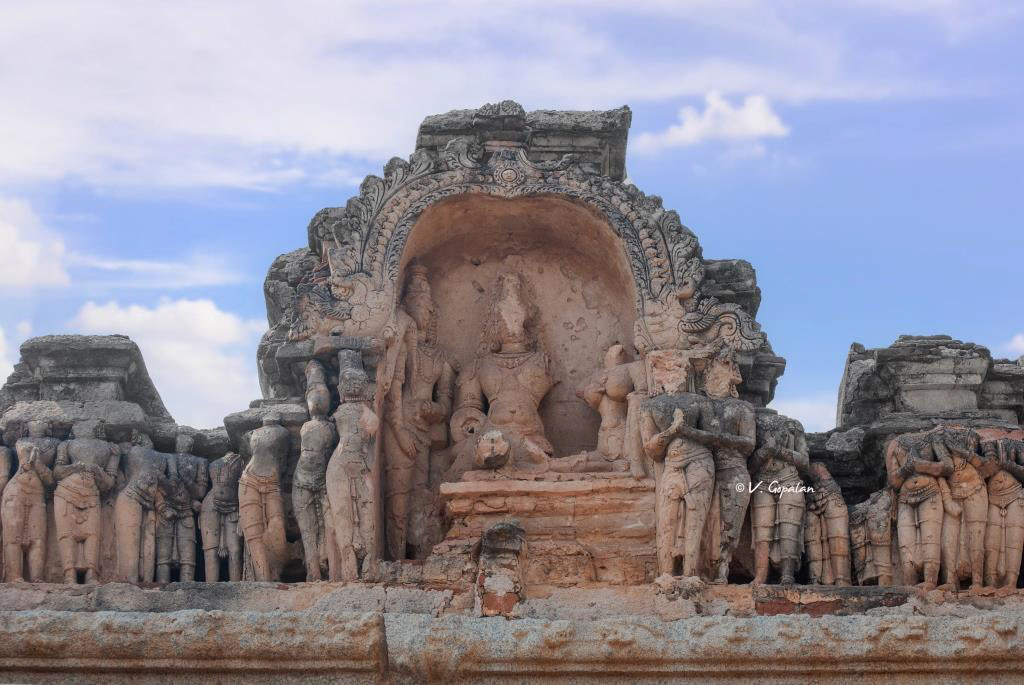
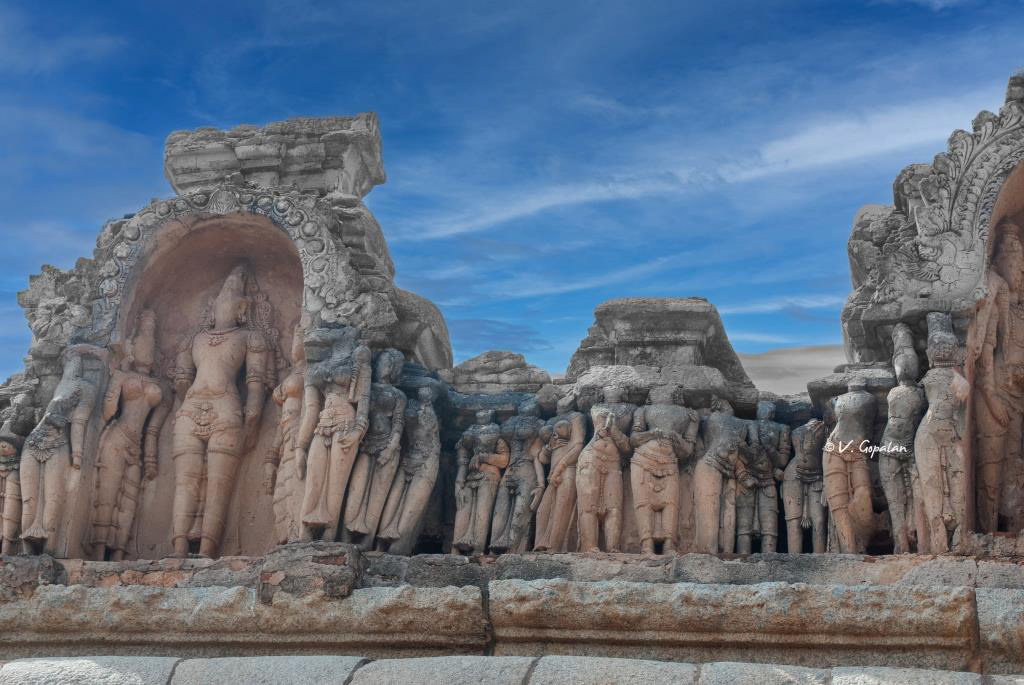
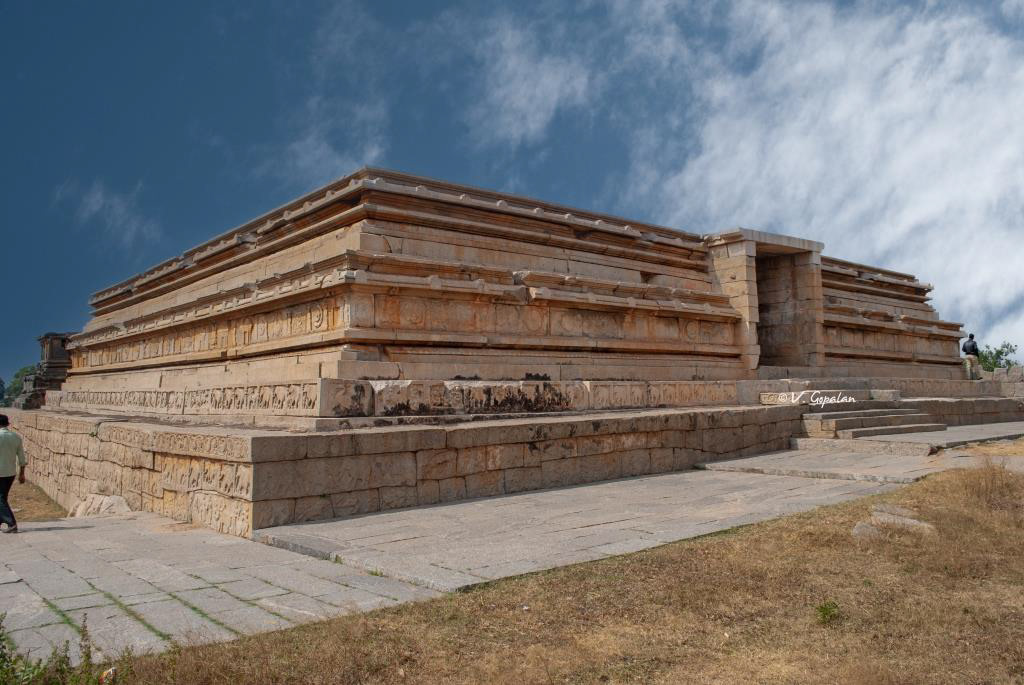
Mahanavami Dibba
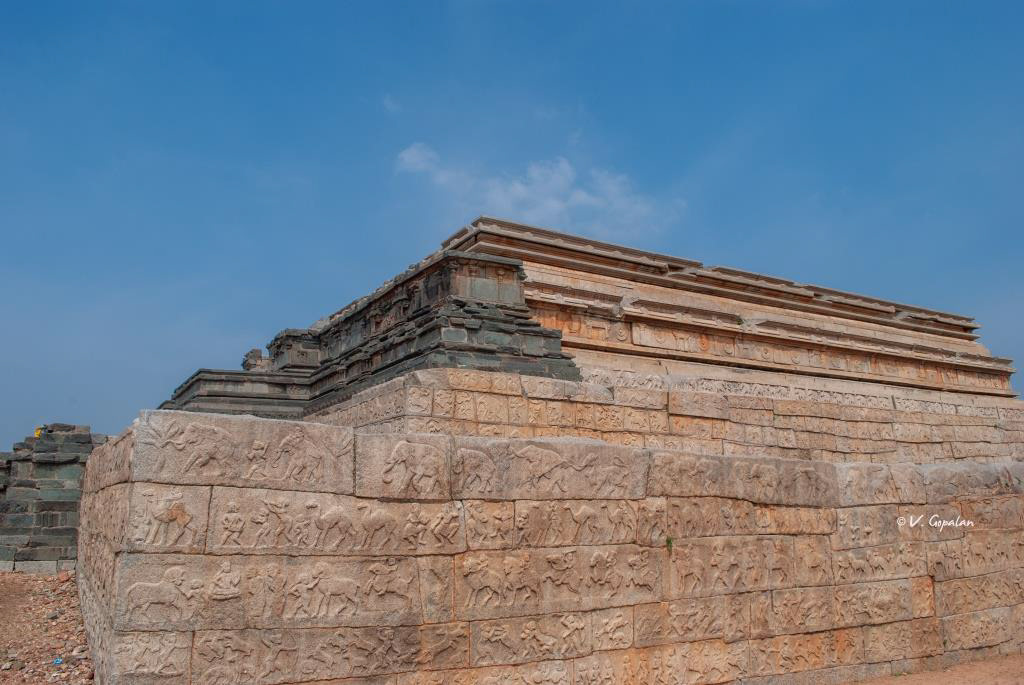
Mahanavami Dibba
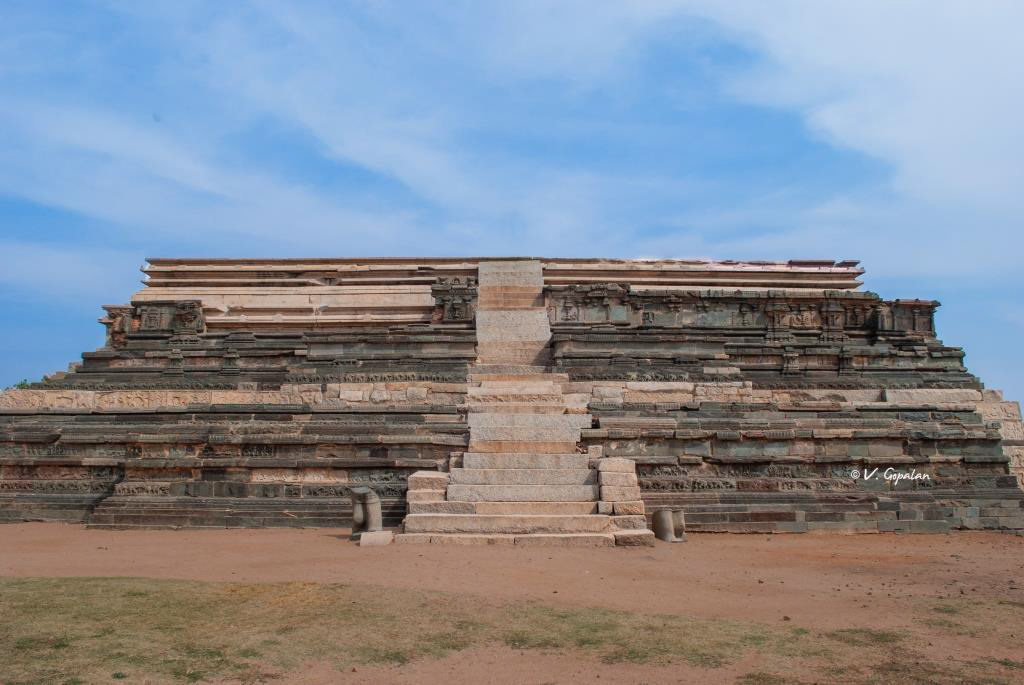
Mahanavami Dibba
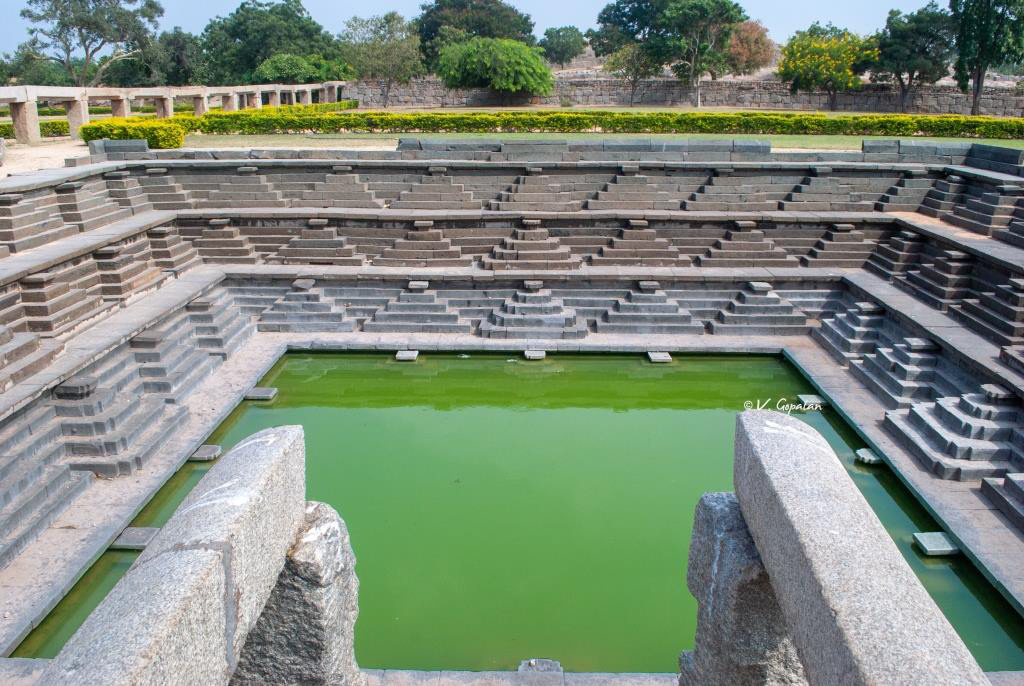
Stepped Tank
Mahanavami Dibba